


New — Check out my new stuff!
- Security for Developers - a new section with articles on security
- Expert Analysis of Popular React DataGrid Libraries
- YAZI terminal file manager
- AI Stuff
- Go Language section - newly expanded
Keep an eye open for these coming changes to the site!
- Books that I find interesting & enjoy section
Work life balance is important to all developers.
Work-life balance is often overlooked, by individuals and especially by companies. Ignoring it leads to early burnout and to the mental and physical health problems that come with long-term stress. It's important for both individuals and managers to watch for it, so it can be avoided or at least managed.
What is good for your employees pays off for the company in happy, productive workers. That is true of every kind of worker, and even more so of creative work like programming and engineering.
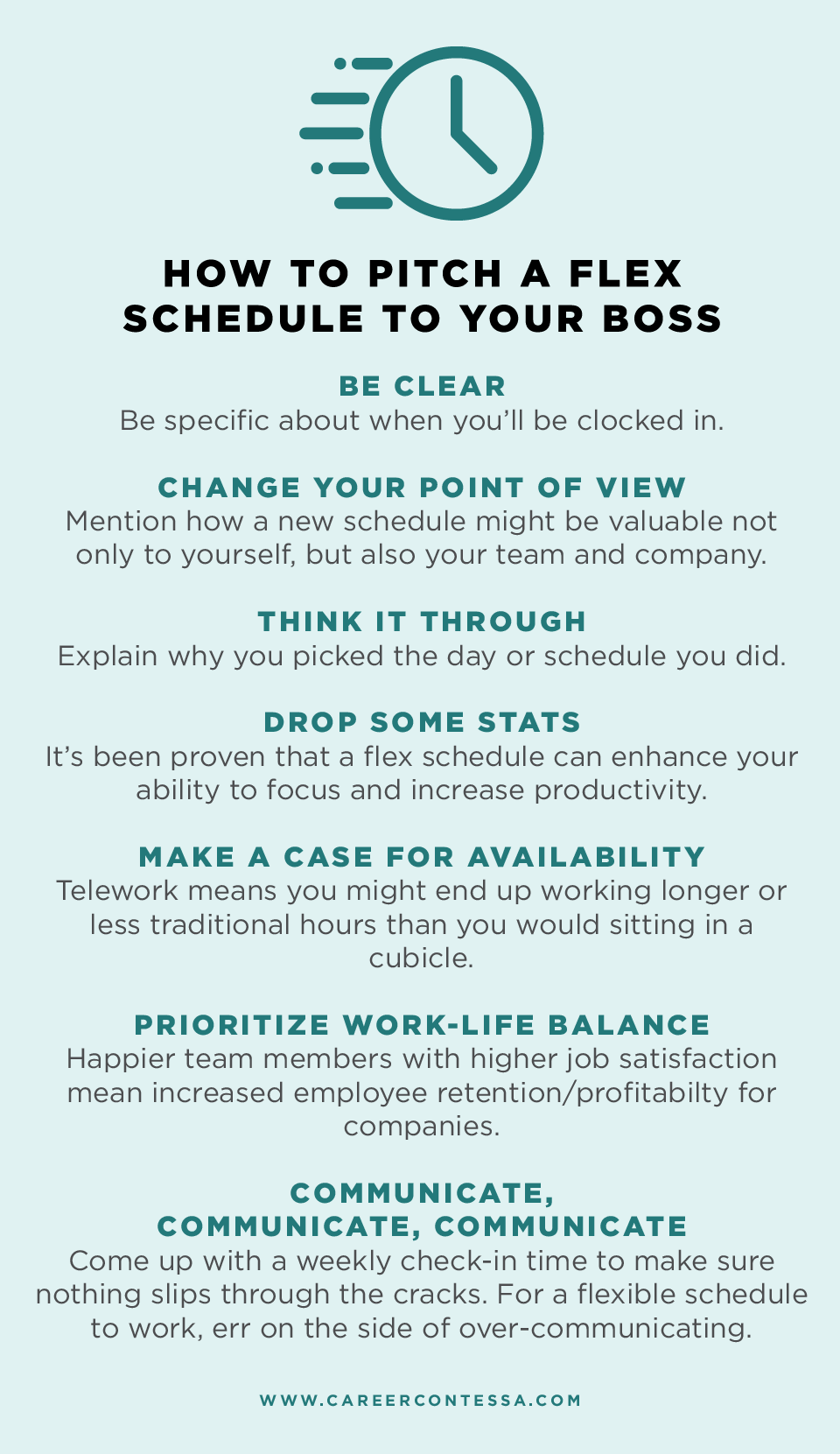
The four day work week is good for the company too
The four day work week means less time working at the same pay, with no drop in output. It is no longer a fringe idea. Since I first wrote this, it has been tested at real scale, and the results keep pointing the same way.
For people, it means real time to rest, see family and friends, and follow their own interests. The result is less stress and less burnout. For companies, it means people stay longer, take fewer sick days, and come back to work focused. In most trials, output held steady or improved. It's a win-win.
What the evidence shows (updated 2026)
- UK pilot, 2022: 61 companies and about 2,900 workers tried a four day week from June to December 2022. 56 of the 61 kept it afterward. Sick days and burnout dropped, and the number of people leaving fell by 57%. (Autonomy report)
- The same pilot one year on, 2024: 54 of the 61 companies were still on a four day week, and about half had made it permanent. The health and job-satisfaction gains held up. (Making It Stick)
- Iceland, 2015–2019: Trials with about 2,500 public-sector workers moved to a 35–36 hour week at the same pay. Productivity stayed the same or improved, and wellbeing rose. Since then, 86% of Iceland's workforce has moved to shorter hours or gained the right to ask for them. (Alda & Autonomy)
- Belgium, 2022: Full-time workers can ask to fit their normal hours into four longer days. This is a compressed week, not fewer hours, but it still means a third day off. (Belgian Labour Deal summary)
- Tokyo, 2025: Since April 2025, the Tokyo Metropolitan Government has let its staff take one weekday off every week. The goal is to support families and the birth rate. (HRD Asia)
- Microsoft Japan, 2019: A month of four day weeks raised productivity by about 40%, measured as sales per employee. (NPR)
- Buffer: The software company started a one-month trial in May 2020, extended it, then made it open-ended. It is still on a four day week years later. (Buffer, three years in)
The counter-trend: back to the office
Not everything has moved in the right direction. Since 2023 many large employers have pushed people back into the office. Amazon went to five days a week in the office starting January 2025. (Amazon) Over the same period, some governments have gone the other way. Since August 2024, Australian workers have had a legal right to ignore unreasonable work contact outside their hours. (Fortune) Boundaries are something you have to fight for. They don't happen by default.
Why this matters even more for developers
Software work has its own burnout traps:
- On-call and alert fatigue. Being reachable at 2am means you are never fully off, even in weeks when nothing breaks.
- AI raising the bar instead of lowering hours. AI coding tools can make a developer faster. Too often the gain becomes "ship more" instead of "work less," and the hours stay the same while expectations climb.
- Deep work needs long, quiet blocks. Hard problems take hours of uninterrupted focus. Constant meetings and pings break that up long before the actual hours run out.
The four day week has been studied with software teams too. A small case study followed two remote agile teams that switched to four days. Productivity didn't drop and job satisfaction went up, but stress also rose a little. The teams had to adapt how they ran their agile practices to make it work. Fewer days only helps if the work is planned for fewer days. (arXiv)
A few things that help, whatever your schedule:
- Block out focus time on your calendar and defend it.
- Turn off work notifications after hours, and tell your team you are doing it.
- Push for a real on-call rotation, with time off after a rough shift.
- When a tool saves you time, keep some of that time for yourself.
Related Articles
Articles & studies about the 4 day work week
- The results are in: the UK's four-day week pilot (2023)
- Making It Stick: the UK four-day week pilot one year on (2024)
- Iceland cut its workweek and found greater happiness and no loss in productivity (NPR)
- Workers On A 4-Day Week Are Happier And Just As Productive, Study Finds
- How a 4-day Work Week affects Agile Software Development Teams (arXiv)
- A Four-day Workweek: a policy for improving employment and environmental conditions in Europe (PDF)
- A guide to implementing the 4-day workweek (Harvard Business School, PDF)
